
Why Locksmith Expertise Still Matters in a Modern World of Security
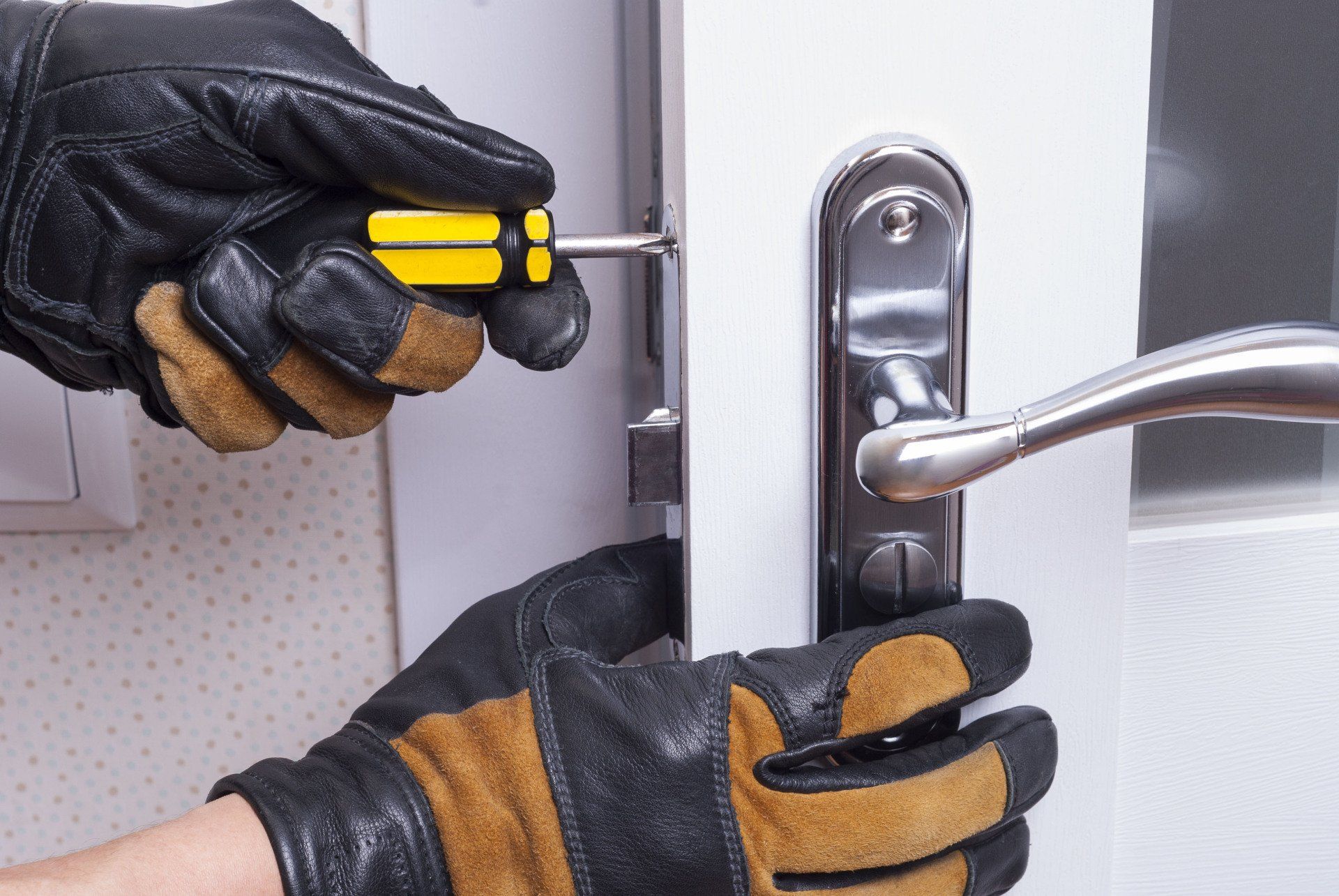
As someone who has worked in the locksmith trade for decades, I have seen security needs change and evolve. Locks that were once considered state of the art are now outdated. New technology has introduced everything from smart locks to reinforced uPVC systems. Yet at the core of it, the role of a locksmith remains the same – to protect people, their homes, and their businesses by keeping entry points secure. This post looks at the modern locksmith profession, why it is still vital, and the wide range of services a skilled locksmith can provide. From basic lock changes to complex Bi-fold Door Repair, every job contributes to safety and peace of mind.
The Traditional Role of a Locksmith
Locksmiths have been around for centuries. Originally, the job focused on crafting locks and keys from scratch. Skills were passed down through apprenticeships, and each lock was unique. Fast forward to today and most locks are manufactured at scale. But the expertise required to install, repair, and maintain them has not diminished. A locksmith must understand mechanical engineering, materials, and even psychology. It is about much more than fitting a new cylinder. It is about problem solving when someone cannot get into their home, ensuring a property is secure after a burglary, or adapting security systems to new needs.
Modern Security Challenges
The types of doors and windows we work on have changed. Timber doors are still common, but uPVC and composite doors dominate in many homes. These bring their own challenges, particularly when mechanisms fail or warp over time. Bifold doors are another popular choice for homeowners who want large glass openings to the garden. When these develop alignment or locking issues, a skilled locksmith is often the best person to put them right. This is where knowledge of specialist tasks such as Bi-fold Door Repair is essential. These doors are expensive to replace, so being able to fix them is a cost effective solution that homeowners value.
Emergency Locksmith Services
One of the most important aspects of the profession is responding to emergencies. Lockouts happen every day, whether it is a lost key, a broken key in a lock, or a faulty mechanism. A professional locksmith can gain entry quickly and without unnecessary damage. This is a skill that takes years to perfect. Customers are often stressed when they are locked out, so part of the job is offering reassurance. It is about arriving promptly, assessing the problem calmly, and finding the right method to restore access. Many locksmiths, including those offering emergency lockouts through services like White Rose Locksmiths, operate 24 hours a day because these problems rarely happen at convenient times.
The Importance of Non-Destructive Entry
In the past, forced entry was often seen as the only way to deal with a lockout. Today, professional locksmiths aim to use non-destructive techniques whenever possible. This could be lock picking, decoding, or bypassing a mechanism. Knowing which approach to take comes from experience and ongoing training. Customers value this because it avoids the cost of replacing locks unnecessarily. It also demonstrates the professionalism of the trade. A locksmith who can open a door without damage shows mastery of their craft.
Domestic Locksmith Services
Most locksmith work in the UK is residential. Homeowners need locks changed when moving into a new property, upgraded for insurance compliance, or replaced after damage. Common tasks include:
- Replacing euro cylinders in uPVC doors
- Adjusting multipoint mechanisms that have gone out of alignment
- Fitting new mortice locks to timber doors
- Repairing patio and sliding door locks
- Securing windows with new handles or restrictors
Every job is different, and part of the skill lies in identifying the best solution for the property. For example, a customer may want high security locks, but these need to be balanced with usability for the household. Advising on the right choice is as important as fitting the lock itself.
Commercial Locksmith Services
Businesses rely heavily on locksmiths too. Shops, offices, and industrial units all need reliable security. A broken shutter lock or faulty access control system can halt operations. Locksmiths who specialise in commercial work handle everything from master key systems to door closers. They may also advise on regulatory compliance, such as fire escape hardware. In my career, I have worked with businesses of all sizes, and the principle is the same – security must never interfere with the smooth running of the organisation. Repairs need to be swift, and installations must be robust.
The Growth of uPVC Repairs
One of the biggest changes I have seen is the demand for uPVC repair. These doors and windows are now standard in most UK homes, but the locking systems inside them are complex. When they fail, homeowners often assume they need a full replacement. In reality, a locksmith can usually repair the mechanism or replace individual parts. This can include gearboxes, keeps, and handles. Being able to repair rather than replace saves customers money and reduces waste. It also requires specialist knowledge because the range of manufacturers and models is vast. Over the years, I have learned to recognise common problems at a glance, whether it is a sagging hinge or a misaligned strike plate.
The Role of a Locksmith in Security Advice
Many people think of locksmiths only when something goes wrong. But another part of the job is offering advice. Home security is a concern for most households, and small changes can make a big difference. As professionals, we can suggest upgrades that increase safety without unnecessary expense. This could be as simple as recommending anti-snap euro cylinders, installing sash jammers on windows, or fitting a door chain for extra reassurance. Unlike a shop assistant or an online guide, a locksmith can see the property in person and tailor advice to the real risks.
Technology and Locksmithing
The rise of smart technology has reached locks too. Smart locks, electronic keypads, and digital access systems are becoming common. Some locksmiths specialise in this field, while others focus on traditional mechanical systems. I believe it is important to understand both. Technology can fail, and when it does, people still turn to locksmiths to put it right. The principles remain the same – secure the entry point and restore proper function. While technology may change, the fundamentals of locksmithing endure.
Locksmith Training and Standards
Professionalism in the trade comes from training and experience. Locksmiths in the UK are not regulated by law, but many belong to trade associations or take part in certification schemes. This helps set standards and gives customers confidence. In my own work, I have always believed in continuing education. Locks and security hardware are constantly evolving, and staying up to date is vital. It is also important to invest in the right tools. A locksmith with the correct equipment can work faster, safer, and with better results.
The Human Side of Locksmith Work
Locksmithing is not just technical – it is also about people. Much of the job involves entering homes and businesses during stressful times. Respect, discretion, and professionalism are key. Customers often remember how you treated them as much as the work you carried out. Over the years, I have been trusted to secure properties after burglaries, assist vulnerable people who could not get inside, and help families moving into new homes. Each job is a reminder that locksmiths play a role in people’s everyday lives.
The Link Between Locksmiths and Insurance
Another overlooked aspect of locksmith work is insurance. Many policies have specific requirements about locks. For example, timber doors may need a 5-lever British Standard mortice lock, while uPVC doors often require multipoint locking. A locksmith ensures compliance, which protects both the property and the policyholder. In some cases, insurers will not pay out after a burglary if locks do not meet their standards. Being able to advise on this is part of the service we provide.
Common Myths About Locksmiths
There are a few misconceptions about the trade. Some believe locksmiths are only useful for emergencies. Others assume all we do is cut keys. In reality, the job is far broader. Locksmiths are problem solvers, engineers, and advisors. Another myth is that anyone can change a lock with basic tools. While it is true that some locks are simple, modern systems can be complex. Attempting a DIY fix often causes more damage, leading to higher repair costs in the end.
Why Experience Matters
Like any skilled trade, experience counts. A locksmith who has worked across different types of locks and doors will recognise issues more quickly. They will also know the most efficient way to fix them. This experience means fewer mistakes, less disruption, and more reliable outcomes. Customers may not always see the years of training behind a simple lock change, but they benefit from it all the same.
The Future of Locksmithing
Looking ahead, locksmithing will continue to evolve alongside technology. Smart homes, biometric access, and advanced security hardware will all play a part. But the need for practical, on-site expertise will not disappear. People will always lose keys, locks will always wear out, and doors will always need adjustment. The profession may change in its tools and methods, but the principle of protecting people and property will remain constant.
Everyday Examples of Locksmith Work
To give a sense of the variety, here are just some of the jobs a locksmith might handle in a single week:
- Gaining entry for someone locked out after losing their keys
- Replacing an anti-snap cylinder in a uPVC front door
- Repairing a sticking sliding patio door
- Installing a master key system in a small office
- Securing a property after a break-in
- Adjusting hinges on a set of bifold doors to ensure smooth locking
- Cutting keys for a new tenancy
Each task may be routine for the locksmith, but for the customer it often solves a major problem.
Why Locksmiths Are Still Essential
Despite all the changes in security technology, locksmiths remain essential. Our role bridges the gap between hardware, people, and peace of mind. The trade is not about gadgets or sales pitches – it is about practical solutions. When someone calls a locksmith, they want reliability, skill, and discretion. That has not changed for centuries, and it will not change in the future.