
The Cellar Calculus: The ROI of Investing in Professional Wine Storage Solutions for Hotels
In the case of luxury, fine-dining hotels, wine program is much more than a mere beverage offering, it is a vital revenue center, an essential element of…
In the case of luxury, fine-dining hotels, wine program is much more than a mere beverage offering, it is a vital revenue center, an essential element of the guest experience, and a potent brand statement about the quality concerns of the hotel. However, the real economic impact of a luxury wine list lies in the depths of one factor that people rarely consider, and that is the quality of its storage. The cost of investing in professional and climate-controlled custom wine displays for hotels is not just an operating cost; rather, a strategic capital investment with a measurable Return on Investment (ROI) that will influence more than just the preservation of inventory and its perception by guests; it will also influence the efficiency and profitability of its operations.
The typical challenges faced by hotel wine programs—inventory loss, premature spoilage, and limited capacity—are all directly mitigated by superior storage technology. By protecting the asset, maximizing its value over time, and enhancing the guest experience, professional wine cellars transform a liability into a profit generator, making the investment a calculated necessity for any serious hospitality venue.
Enhancing Value: Optimizing Wine Aging and Appreciation
For top-tier hospitality venues, the wine cellar often holds reserve vintages intended to age and appreciate in value before being sold. This is where the storage system acts as an investment vehicle.
High-quality wines are bought young at a lower price point, stored under ideal conditions for several years, and sold at maturity for a significantly higher price. This strategy only works if the storage environment is flawless. A professional cellar guarantees the necessary long-term stability—darkness, vibration control, and consistent temperature—that facilitates successful aging. The enhanced reputation of a hotel’s wine program that is known for its perfectly aged bottles allows the establishment to command premium prices and attract discerning clientele. The difference in price between a perfectly aged bottle and one that shows signs of improper handling can represent hundreds, if not thousands, of dollars in lost profit per bottle.
Driving Revenue: The Psychological and Marketing Edge
The ROI of professional wine storage extends beyond pure cost avoidance and preservation; it significantly impacts revenue through improved perception and marketing.
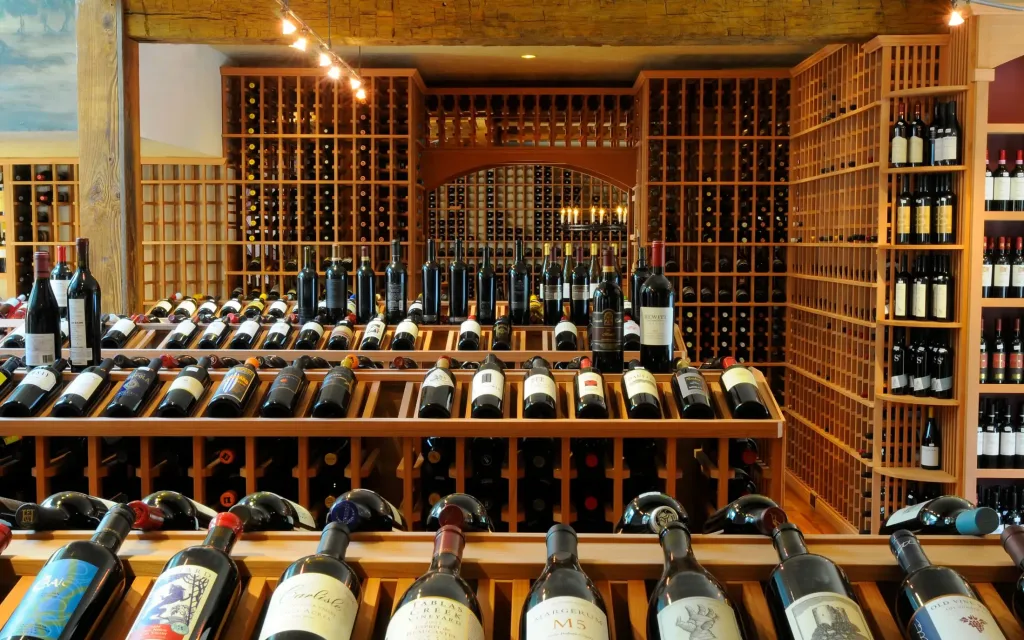
Visual Appeal and Experience: Modern, high-end storage solutions often double as design features. Glass-enclosed, climate-controlled wine rooms serve as beautiful architectural elements in a dining room or lobby. This visual display acts as a powerful marketing tool, immediately signaling to guests the quality and seriousness of the food and beverage program. Guests are more inclined to order a premium bottle when they can visually appreciate the care and dedication taken to store it. The wine room becomes a key part of the dining experience, prompting higher average checks.
Sommelier Confidence and Sales: Sommeliers are the frontline sales team for the wine program. Knowing that every bottle in the cellar has been impeccably stored gives the sommelier greater confidence when recommending high-value vintages. This confidence translates directly into higher sales and a better guest rapport. Conversely, if a sommelier worries about the consistency of the cellar conditions, they may hesitate to push an expensive bottle, fearing the guest will receive a flawed product.
Conclusion: The Strategic Imperative
For a hotel, the decision to invest in a professional wine storage solution is a strategic imperative rather than a luxury amenity. The ROI is multifaceted and clear: it is an insurance policy against premature inventory loss, a mechanism for maximizing the appreciation potential of reserve stock, a powerful enhancement to the guest experience, and a boost to operational efficiency. By dedicating capital to superior climate control, hotels safeguard their liquid assets, reinforce their brand image as a destination for quality dining, and ensure that their wine program operates not just as a service function, but as a consistent and profitable revenue center. The cellar calculus proves that protecting the investment is the smartest way to guarantee the return.