
How to Become an Electrician in California: Your Complete Guide
If you are thinking about becoming an electrician, you are choosing a career that offers stability, strong earning potential, and long-term opportunities.…
If you are thinking about becoming an electrician, you are choosing a career that offers stability, strong earning potential, and long-term opportunities. In California, the process involves completing training, gaining hands-on experience, and meeting state requirements to earn a California electrical license. Electricians are highly skilled workers who help power homes, offices, schools, hospitals, and industrial buildings. Their work is important because modern life depends heavily on safe and reliable electrical systems.
Electricians need technical knowledge, problem-solving abilities, attention to detail, and practical experience. They must understand how electrical systems work and how to install and repair them safely. California has clear steps for anyone who wants to enter this field, and obtaining an electrical contractor license in California to learn these requirements early can help students prepare for a successful career path.
Understanding the Role of an Electrician
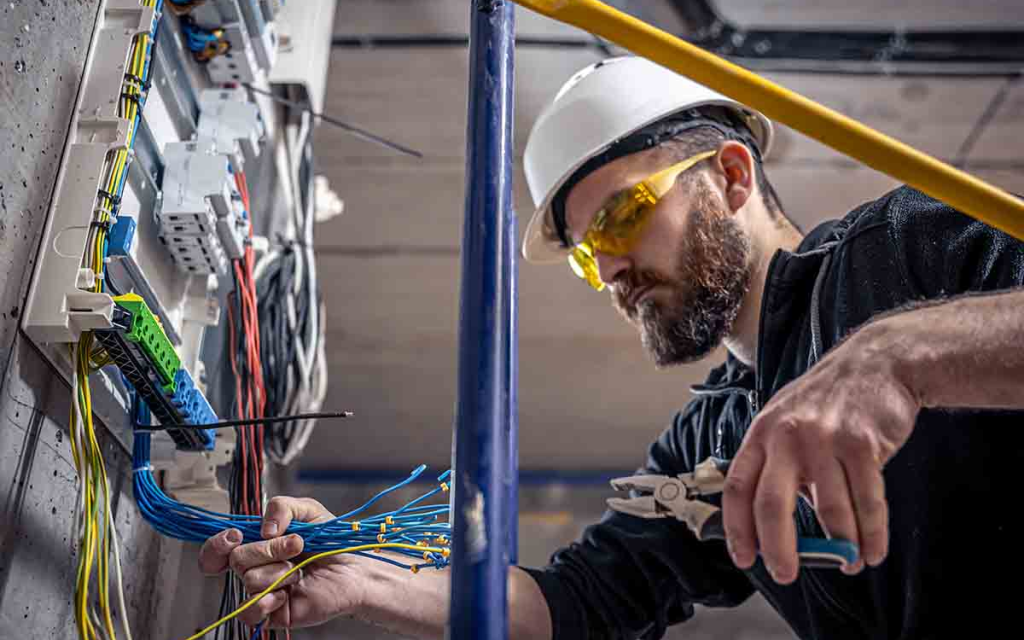
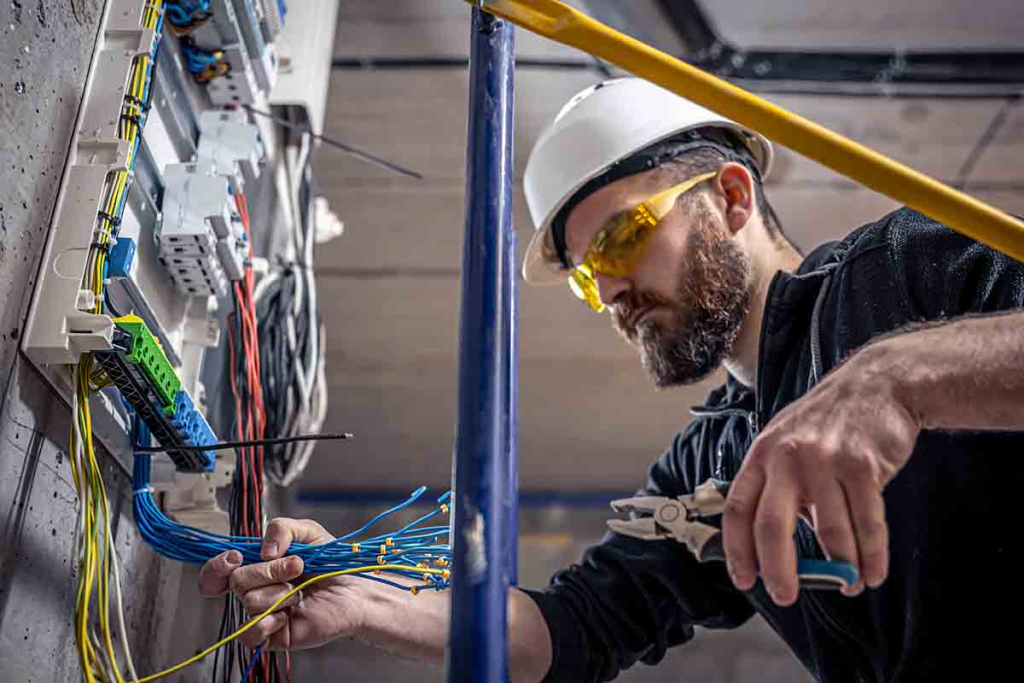
Electricians install, maintain, inspect, and repair electrical systems used in homes, businesses, and industrial facilities. They work with wiring, outlets, lighting systems, circuit breakers, electrical panels, and many other components that keep buildings powered safely and efficiently.
Because electricity is a major part of daily life, electricians play a very important role in keeping communities running smoothly. Without electricians, homes and businesses would not have safe access to power for lights, appliances, computers, machines, and communication systems.
Different Types of Electrical Work
Electricians often choose to specialize in certain types of work based on their interests and career goals. Some focus on residential projects, while others work in commercial buildings or large industrial facilities.
Installation electricians handle the setup of wiring systems, lighting fixtures, electrical panels, fire alarm systems, and communication networks. These professionals are often involved in new construction projects and building renovations.
Maintenance electricians inspect electrical systems regularly to make sure they operate safely and correctly. They troubleshoot problems, replace damaged parts, and help prevent electrical failures before they become serious issues.
Industrial electricians work with heavy machinery, motors, transformers, and automated systems used in factories and manufacturing plants. Their work often requires advanced technical knowledge because industrial systems are more complex.
Some electricians also focus on renewable energy systems such as solar panels and energy-efficient technology. As California continues to invest in clean energy solutions, these specialties are becoming more popular and in demand.
Education and Training Requirements
To begin training as an electrician in California, students usually need a high school diploma or GED. Certain high school subjects can help prepare students for electrical work, especially math, science, and hands-on technical courses.
Math is important because electricians regularly work with measurements, formulas, and calculations. Science classes, especially physics, help students understand electrical currents and how electrical systems function. Practical classes such as automotive repair or woodworking can also help students become comfortable using tools and following technical instructions.
After completing the basic education requirement, students must enroll in a California-approved electrical training program. These programs combine classroom learning with practical training to prepare students for real-world work environments.
Most training programs include lessons in:
- Basic electrical theory
- Trade math
- Residential and commercial wiring
- National Electrical Code standards
- OSHA workplace safety requirements
- Electrical power distribution
- Motor controls and troubleshooting
Students who complete approved programs can apply for an Electrical Trainee Card. This allows them to work under the supervision of a licensed electrician while gaining the required work hours for licensure.
Apprenticeships and Hands-On Experience
Hands-on experience is one of the most important parts of becoming an electrician. Many students choose apprenticeships because they provide real job experience while students continue learning from licensed professionals.
Apprentices work alongside experienced electricians on actual job sites. During this time, they learn how to install wiring, read blueprints, inspect electrical systems, follow safety procedures, and solve common electrical problems.
This practical training helps students build confidence and improve their technical abilities. Apprenticeships also help students understand workplace expectations, communication skills, and teamwork.
The number of work hours required for licensing may vary depending on the type of electrical license students plan to pursue. However, gaining experience through apprenticeships is a valuable step toward long-term success in the industry.
Benefits of Becoming an Electrician
Electrical work offers many advantages for people who enjoy active work, problem-solving, and building practical skills. It is a career path that can provide financial stability, career growth, and flexibility over time.
High Demand and Job Security
Electricians continue to be in high demand throughout California and across the country. New homes, office buildings, factories, and renewable energy projects all require skilled electricians to install and maintain electrical systems.
As technology continues to grow, the need for electricians also increases. Smart home systems, electric vehicle charging stations, and energy-efficient equipment all create new opportunities in the field.
This strong demand provides job security because electrical systems always require maintenance, upgrades, and repairs. Skilled electricians are needed in both large cities and smaller communities, making it easier for workers to find employment opportunities in many locations.
Unlike some careers that can be replaced by automation, electrical work requires hands-on problem-solving and technical expertise that machines cannot easily replace.
Competitive Earnings and Career Growth
Licensed electricians in California often earn competitive salaries, especially those with years of experience or specialized skills. Income levels may vary depending on location, experience, certifications, and the type of electrical work performed.
Electricians working in major cities or industrial sectors may earn even higher wages because of increased demand and larger projects. Over time, electricians can continue improving their skills and qualify for leadership roles, supervisory positions, or independent contracting opportunities.
Some electricians decide to start their own businesses after gaining enough experience and licensing. Owning an electrical company can create additional income opportunities and allow workers to build long-term careers on their own terms.
Flexibility and Specialization Opportunities
One of the best parts of becoming an electrician is the flexibility within the field. Electricians can work in residential construction, commercial projects, industrial maintenance, renewable energy, or specialized technology systems.
California’s growing focus on renewable energy has also increased demand for electricians who understand solar energy systems, battery storage, and energy-efficient technology. These areas continue to create exciting career opportunities for future electricians.
Workers who enjoy learning new skills can continue expanding their knowledge throughout their careers. Many electricians take additional training courses to stay updated on new technologies and industry standards.
Choosing the Right Electrical Training Program
Selecting the right training program is an important step toward becoming a successful electrician. Students should make sure the California Department of Industrial Relations approves the program they choose. Approved programs help students meet state requirements while preparing them for licensing and employment.
Quality electrical training programs usually provide:
- Classroom instruction and practical training
- Experienced instructors
- Flexible learning options
- Career guidance and job placement assistance
- Preparation for licensing requirements
Some schools also offer support services such as financial aid assistance and high school diploma completion programs for eligible students.
Conclusion
Becoming an electrician in California can lead to a stable, rewarding, and respected career. Electricians play a major role in keeping homes, businesses, and industries powered safely and efficiently. With the growing demand for skilled workers, the field continues to offer strong job opportunities and career growth.
The path to earning a california electrical license requires education, training, and hands-on experience, but the effort can lead to long-term success. Students who complete approved training programs and gain practical experience can build valuable skills that are needed in many industries.
Whether you want to work in residential construction, industrial facilities, renewable energy, or even start your own business one day, electrical work offers many possibilities. By choosing the right training program and staying committed to learning, you can create a secure future in one of the most important skilled trades today.