
Chengal Timber Decking: Why It Remains a Premium Choice
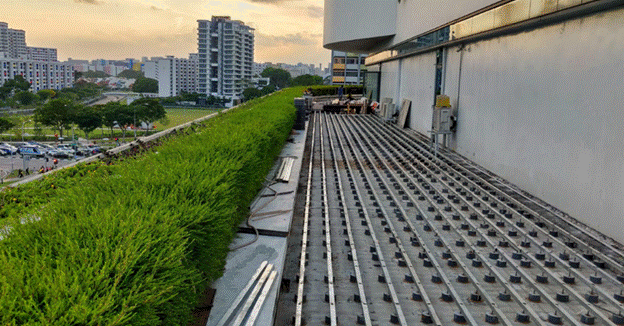
A Chengal timber deck has long been recognised as one of the preferred outdoor decking solutions for residential, commercial, and public projects. Chengal is a tropical hardwood known for its density, durability, and natural resistance to outdoor conditions, making it suitable for environments exposed to frequent rainfall, humidity, and sunlight.
While the performance of any decking system depends on proper installation and maintenance, selecting a suitable timber species is an important starting point. Chengal continues to be widely specified because its physical properties support long-term structural performance across a wide range of outdoor applications. This article explains what Chengal timber is, why it is considered a premium decking material, how it compares with other hardwoods, its maintenance requirements, and where it is commonly used.
What Is Chengal Timber?
Chengal is a tropical hardwood species commonly used throughout Southeast Asia for structural and outdoor applications. Its high density and natural durability make it suitable for projects where long-term performance is important.
The timber is widely used in:
- Outdoor decking
- Boardwalks
- Bridges
- Marine structures
- Landscape features
- Commercial developments
Because of its natural characteristics, Chengal has become closely associated with outdoor construction projects that require reliable performance under demanding environmental conditions.
Why Chengal Is Considered a Premium Hardwood
Premium hardwoods are generally selected because they provide a combination of durability, strength, stability, and longevity.
Chengal possesses several characteristics that contribute to its reputation.
High Natural Density
Density refers to the amount of wood fibre within the timber. Chengal’s high density contributes to its structural strength and resistance to daily wear.
Dense hardwood generally performs well in areas with:
- Frequent foot traffic
- Outdoor exposure
- Structural loading
- Long-term use
Its strength makes Chengal suitable for both residential and commercial decking projects.
Natural Durability
Durability describes how well timber withstands environmental exposure over time.
Chengal naturally performs well when exposed to:
- Rainfall
- Humidity
- Sunlight
- Outdoor temperature changes
Although natural durability is an advantage, appropriate installation and regular maintenance remain essential for preserving long-term performance.
Attractive Natural Appearance
Chengal timber is recognised for its warm natural tones and distinctive grain patterns.
As the timber matures outdoors, its appearance gradually changes due to natural weathering.
Many property owners appreciate this natural ageing process because it reflects the authentic character of hardwood rather than a manufactured finish.
Performance in Singapore’s Climate
Singapore’s tropical climate presents several challenges for outdoor building materials.
Outdoor decking is regularly exposed to:
- High humidity
- Frequent rainfall
- Strong ultraviolet radiation
- Warm temperatures throughout the year
Chengal is well suited to these conditions because its physical properties support long-term outdoor use when combined with:
- Proper drainage
- Adequate ventilation
- Suitable structural support
- Routine maintenance
These construction principles are equally important regardless of the timber species selected.
Comparing Chengal With Other Hardwood Timber
Several hardwood species are suitable for outdoor decking, each with different characteristics.
The following comparison provides a general overview.
| Characteristic | Chengal Timber | Other Hardwood Species |
| Density | Very high | Varies by species |
| Durability | Excellent | Depends on species |
| Outdoor suitability | Excellent | Species dependent |
| Structural strength | High | Varies |
| Weather resistance | Very good | Varies |
| Natural appearance | Distinctive grain and colour | Depends on timber type |
Rather than identifying one species as universally superior, timber should always be selected according to the project’s intended application and environmental conditions.
Common Applications of Chengal Timber Decking
Because of its durability and strength, Chengal is used in a variety of outdoor environments.
Residential Decking
Residential applications include:
- Garden decks
- Patios
- Balconies
- Courtyards
- Swimming pool surrounds
Its natural appearance complements landscaped environments while providing durable outdoor flooring.
Commercial Developments
Commercial properties often use Chengal decking in:
- Restaurants
- Hotels
- Resorts
- Office buildings
- Outdoor dining areas
These environments require timber capable of supporting regular foot traffic while maintaining long-term structural integrity.
Public Infrastructure
Chengal is also widely used in public outdoor facilities such as:
- Boardwalks
- Parks
- Nature reserves
- Viewing platforms
- Recreational spaces
Its strength and durability make it suitable for projects where reliability is essential.
Installation Considerations
Selecting premium timber alone does not guarantee a durable deck.
Several installation factors influence the overall performance of a Chengal timber deck.
Structural Framework
The supporting framework distributes structural loads and maintains deck stability.
Proper framework design reduces unnecessary movement while supporting long-term performance.
Drainage
Good drainage allows rainwater to move away from the decking system efficiently.
Standing water should be avoided because prolonged moisture exposure may affect structural components over time.
Ventilation
Adequate airflow beneath the deck promotes drying after rainfall and supports healthier timber conditions.
Board Spacing
Correct spacing allows Chengal timber to respond naturally to changes in humidity while maintaining proper drainage and ventilation.
Maintaining a Chengal Timber Deck
Routine maintenance helps preserve both the appearance and structural integrity of Chengal decking.
A practical maintenance programme includes:
- Sweeping away leaves and debris.
- Cleaning accumulated dirt.
- Inspecting boards for movement.
- Checking visible fasteners.
- Keeping drainage pathways clear.
- Applying suitable timber protection when appropriate.
Maintenance frequency depends on environmental exposure and the level of daily use.
Regular inspections also help identify minor issues before they require more significant repairs.
Common Misconceptions About Chengal Timber
Several misconceptions exist regarding Chengal decking.
‘Chengal Requires No Maintenance’
Although Chengal is naturally durable, all outdoor timber benefits from routine cleaning, inspections, and appropriate maintenance.
‘Every Chengal Board Performs Identically’
As a natural material, Chengal exhibits variation in grain, colour, and texture.
These variations are normal characteristics of hardwood.
‘Premium Timber Eliminates Installation Requirements’
Even the highest-quality timber relies on proper structural design, drainage, ventilation, and workmanship to achieve long-term performance.
Key Factors That Contribute to Long-Term Performance
A durable Chengal timber deck depends on the interaction of several components.
| Factor | Contribution |
| Timber quality | Provides natural durability |
| Structural framework | Supports deck stability |
| Drainage | Reduces moisture accumulation |
| Ventilation | Promotes drying beneath the deck |
| Installation quality | Ensures correct construction |
| Routine maintenance | Preserves appearance and performance |
These elements work together to support the longevity of the completed decking system.
Frequently Asked Questions (FAQs)
Why is Chengal timber commonly used for decking?
Chengal is widely used because of its high density, natural durability, structural strength, and suitability for outdoor environments.
Is Chengal suitable for Singapore’s climate?
Yes. Chengal performs well in Singapore’s tropical climate when installed with appropriate drainage, ventilation, and structural support.
Does Chengal decking require maintenance?
Yes. Routine cleaning, inspections, and appropriate timber care help preserve both appearance and structural performance.
Can Chengal be used for commercial projects?
Yes. Chengal is commonly installed in commercial developments, hospitality venues, public infrastructure, and residential properties.
Is Chengal stronger than all other hardwoods?
Different hardwood species possess different characteristics. Chengal is recognised for its strength and durability, but material selection should always consider the project’s specific requirements rather than relying solely on species.
Why Chengal Continues to Stand the Test of Time
A Chengal timber deck remains a preferred choice because it combines natural durability, structural strength, and an attractive appearance suitable for a wide variety of outdoor applications. From residential gardens to commercial boardwalks, Chengal has consistently demonstrated reliable performance when paired with appropriate installation techniques and regular maintenance. Understanding both its strengths and its maintenance requirements allows property owners to make informed decisions when selecting timber for long-term outdoor projects.
Learn More About Chengal Timber Decking Today
If you would like to learn more about Chengal timber deck solutions, hardwood timber selection, or professional outdoor decking systems, you can contact Nam Soon Decking Pte Ltd. for further information and guidance tailored to your project requirements.