
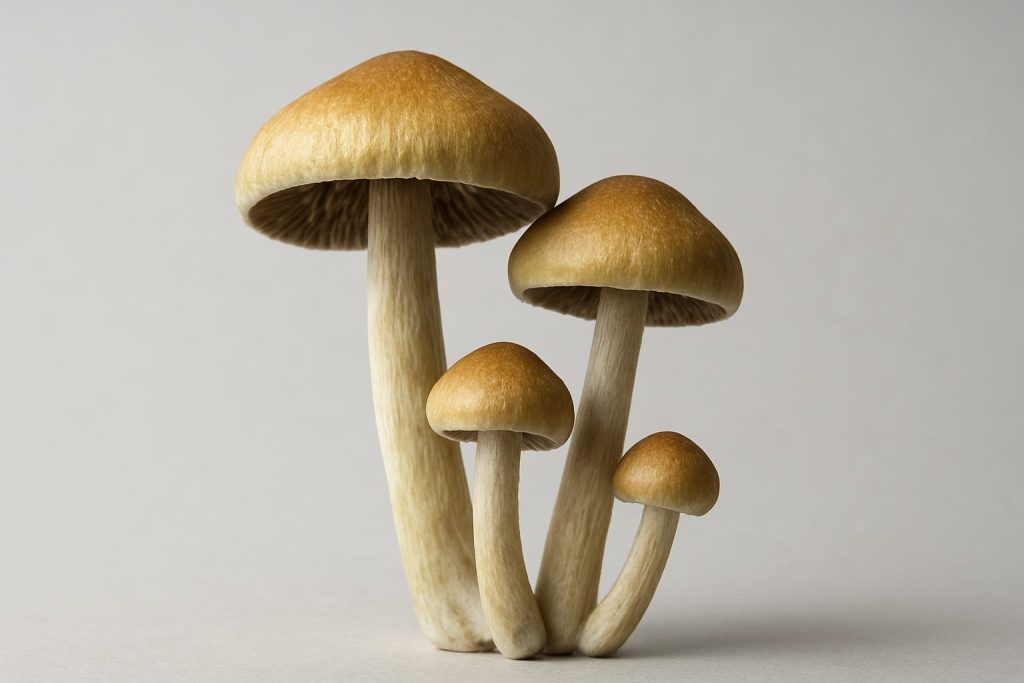
Understanding the Health and Safety Risks of Magic Mushroom Products
Explore health risks of magic mushrooms, including psychological impacts and safety measures before using them.
Magic mushrooms have become a frequent topic of conversation among wellness communities, researchers, and curious consumers alike. As interest grows, so does the number of people searching for magic mushrooms for sale online, often without fully understanding the psychological and physical risks tied to these products. Before making any purchase, it’s worth pausing to consider what these substances actually do to the mind and body, and why caution matters more than curiosity.
This article answers the most common questions people ask about the safety profile of magic mushroom products, written in a straightforward, FAQ-style format to help readers make informed decisions.
What exactly are magic mushrooms?
Magic mushrooms are a category of fungi that contain naturally occurring psychoactive compounds. When consumed, these compounds interact with the brain’s serotonin receptors, altering perception, mood, and cognition. While some people associate them with spiritual or recreational experiences, their effects are far from predictable and can vary significantly from person to person.
Are there psychological risks involved?
Yes, and they can be significant. The psychological effects of magic mushrooms depend on dosage, individual brain chemistry, environment, and emotional state at the time of use. Common risks include:
Intense anxiety or paranoia during the experience, sometimes referred to as a difficult trip
Disorientation or confusion that can last for several hours
Triggering or worsening underlying mental health conditions, particularly in individuals with a personal or family history of psychosis
Long-term changes in mood or perception in rare cases
People with existing mental health conditions should be especially cautious, as these substances can interact unpredictably with both diagnosed conditions and prescribed medications.
Can magic mushrooms pose physical health risks?
Physical risks are generally less severe than psychological ones, but they still exist. Nausea, vomiting, elevated heart rate, and dizziness are commonly reported. In some cases, individuals may experience impaired coordination, which increases the risk of accidents or injury during use. Mixing magic mushrooms with alcohol or other substances can further heighten these risks, sometimes leading to severe physical reactions.
What makes misidentification such a serious concern?
One of the lesser-discussed dangers involves misidentification. Wild mushrooms that resemble magic mushrooms can be toxic or even fatal if consumed by mistake. This is a significant safety issue for anyone foraging mushrooms independently rather than sourcing them through a controlled, verified process. Without proper identification knowledge, the line between a psychoactive mushroom and a poisonous lookalike can be dangerously thin.
How does the legal landscape affect safety?
Legal status plays a direct role in product safety. In regions where magic mushrooms remain unregulated or illegal, there’s little oversight on quality, purity, or dosage consistency. This lack of regulation means consumers often have no reliable way to verify what they’re actually consuming, which increases the risk of adverse reactions. Even in areas where certain therapeutic or research-based uses are permitted, strict guidelines typically govern how these substances are produced, tested, and administered.
Who should avoid magic mushroom products altogether?
Certain groups face elevated risks and should avoid these products entirely. This includes individuals with a history of psychotic disorders, pregnant or breastfeeding individuals, people taking medications that interact with serotonin levels, and those under the legal age in their jurisdiction. Anyone uncertain about their personal risk factors should consult a qualified healthcare professional before considering use.
What steps can reduce risk for those who choose to proceed?
For individuals in regions where use is legally permitted, several precautions can help minimize harm:
Consulting a healthcare provider beforehand, especially if taking other medications
Starting with a low dose to gauge individual sensitivity
Avoiding use in isolation, having a sober, trusted person present
Choosing a calm, familiar environment to reduce anxiety triggers
Avoiding combination with alcohol or other substances
These steps don’t eliminate risk entirely, but they can meaningfully reduce the likelihood of a negative experience.
Final thoughts on making informed decisions
Understanding the psychological and physical risks surrounding magic mushroom products is essential before making any purchasing decision. The mind and body don’t respond to these substances in a uniform way, and the consequences of use can range from mild discomfort to serious psychological distress. Anyone considering these products should prioritize research, legal awareness, and professional guidance over convenience or curiosity alone.
At a Glance
- Magic mushrooms contain psychoactive compounds that affect serotonin receptors, altering perception, mood, and cognition.
- Psychological risks associated with magic mushrooms include intense anxiety, disorientation, and the potential to worsen underlying mental health conditions.
- Physical health risks from magic mushrooms can include nausea, vomiting, elevated heart rate, and impaired coordination, which can lead to accidents.
- Misidentifying wild mushrooms that resemble magic mushrooms poses a significant danger, as some can be toxic or fatal when consumed.
- Magic mushrooms are often unregulated in areas where they are illegal, leading to issues with quality, purity, and dosage consistency.
- Certain individuals, such as those with a history of psychosis and pregnant or breastfeeding women, should avoid magic mushrooms due to elevated risks.