
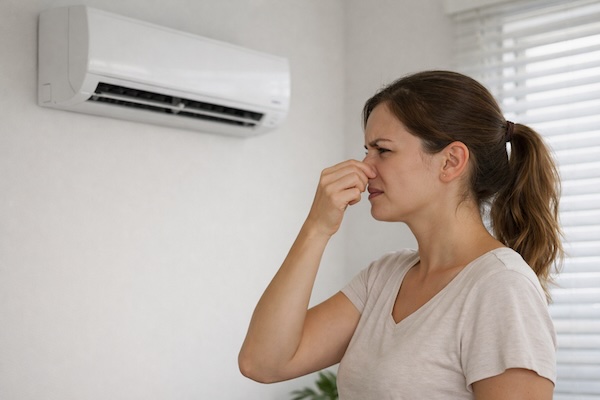
Does Your HVAC System Smell Strange? Here’s When to Call an Expert
Strange odors from your vents can signal more than a dirty filter—they often point to mold, electrical issues, or mechanical problems that demand quick professional attention to protect your comfort and health.
A musty, burning, or chemical smell drifting from your vents is never something to ignore. Your HVAC system circulates air through every room, so odd odors can spread fast and signal issues ranging from simple neglect to serious safety concerns. In the Lehigh Valley’s humid summers and cold winters, systems work hard, making strange smells more common than many homeowners realize. Catching problems early keeps air cleaner, energy bills lower, and your family safer. When those scents appear, knowing the difference between a quick fix and a call for HVAC help near Bethlehem, PA can save time, money, and unnecessary stress.
Common HVAC Smells and What They Mean
Not every odor means disaster, but each one carries a clue. Understanding the most frequent smells helps you decide your next step.
1. Musty or Moldy Odors
A damp, earthy smell often points to moisture buildup inside the system or ductwork. High humidity common in the region encourages mold and mildew growth on coils, in drain pans, or along ducts. Left unchecked, these growths reduce efficiency and release spores into the air you breathe. Indoor air quality solutions such as better filtration, dehumidification, and professional cleaning address the root cause rather than masking the scent.
Regular filter changes help, yet they cannot reach hidden moisture. A technician can inspect the evaporator coil, condensate drain, and ducts to remove the source and restore balanced humidity.
2. Burning or Electrical Smells
A sharp, hot-plastic or scorched odor usually signals overheating components, failing motors, or wiring problems. Dust that settles on heating elements can create a temporary “first start-up” smell in fall, but a persistent burning scent needs immediate attention. Electrical issues inside furnaces, heat pumps, or air handlers can escalate quickly. Licensed professionals diagnose the source safely and perform necessary repairs or upgrades before damage spreads.
3. Rotten Egg or Sulfur Smells
This odor near a gas furnace or boiler raises concern about a possible gas leak. Turn off the system, leave the home if the smell is strong, and contact both your gas utility and an HVAC expert right away. Never attempt to locate the leak yourself. Proper inspection of gas connections, heat exchangers, and related components protects everyone in the building.
4. Sweet or Chemical Odors
A syrupy or refrigerant-like smell can indicate a coolant leak in the air conditioner or heat pump. Refrigerant leaks lower cooling capacity, raise energy use, and may pose health risks if concentrated. Professional recovery and repair restore system performance while protecting the environment and your indoor air.
5. Dusty or “Dirty Sock” Smell
A sour, musty, or sock-like odor often appears when the air conditioner first starts. It usually comes from bacteria or mold growing on a dirty evaporator coil. Moisture and dust create the perfect environment for this common issue. Thorough coil cleaning and improved filtration eliminate the source and improve overall air quality.
6. Oily or Metallic Smell
An oily or metallic scent can signal leaking lubricants from the compressor or motor, or metal components beginning to wear. This odor sometimes appears with reduced performance or unusual system noises. Prompt inspection prevents further damage to the compressor or other key parts and keeps the system running efficiently.
Simple Prevention Tips to Reduce Odors
Keeping your system clean and well-maintained stops many smells before they start. Change filters every one to three months, especially during heavy-use seasons. Keep the area around outdoor units free of leaves, grass, and debris so airflow stays strong. Schedule seasonal maintenance for both heating and cooling equipment so technicians can clean coils, check drainage, and catch early moisture or dust buildup.
Watch indoor humidity levels and consider dehumidification if your home feels damp. These habits reduce strain on the system and support better indoor air quality. Still, prevention has limits—persistent odors almost always need trained eyes and tools.
When a Strange Smell Means It’s Time for Expert Help
Some situations leave no room for wait-and-see. Call a professional if the odor continues after changing the filter, returns shortly after cleaning, or appears alongside reduced airflow, unusual noises, higher bills, or visible moisture around the unit. Homes with older equipment or those near high-traffic roads often need enhanced filtration and system checks more frequently.
Maintenance plans that include seasonal tune-ups catch many odor-causing problems before they intensify. During these visits, technicians clean coils, check drainage, inspect electrical connections, and evaluate overall performance. For homeowners seeking reliable HVAC help near Bethlehem, PA, prompt service prevents small issues from becoming costly repairs or replacements.
What to Expect During a Professional Service Call
A trained technician begins with a thorough inspection of the indoor and outdoor units, ductwork, and related components. They identify the exact source of the smell, whether it involves mold growth, electrical faults, drainage problems, or refrigerant issues. Clear explanations follow, along with recommended repairs or improvements such as coil cleaning, filter upgrades, or indoor air quality enhancements.
Most service calls focus on restoring clean airflow and system efficiency while respecting your home. Guarantees on work and priority options through maintenance plans add peace of mind. Acting at this stage keeps comfort reliable through every season.
FAQs
Why does my HVAC smell musty only in summer?
Higher humidity and continuous AC use allow moisture to collect on cold coils and in drain pans, creating ideal conditions for mold. Professional cleaning and dehumidification solve the problem at the source.
Is a burning smell always an emergency?
A brief smell when the heat first turns on can be normal dust burn-off. Any strong or ongoing burning odor requires immediate professional inspection to rule out electrical or mechanical failure.
Can dirty filters alone cause bad smells?
Yes, but only temporarily. If the odor remains after a filter change, deeper issues such as mold in the ducts or a failing component are likely present.
How often should I have my system checked for odor problems?
At least once a year for heating and once for cooling, or more frequently if you notice recurring smells, allergies, or live near high-traffic roads that introduce extra pollutants.
What indoor air quality options help prevent strange HVAC smells?
Upgraded filtration, UV lights, air purifiers, and proper humidity control reduce mold growth and circulating particles that create odors.
Conclusion
Strange smells from your HVAC system are clear signals that something needs attention. Musty odors often stem from moisture and mold, burning scents can indicate electrical or overheating problems, sulfur smells demand urgent gas-related checks, chemical odors may point to refrigerant leaks, while dusty or oily smells often reveal dirty coils or worn components. Prevention through regular filter changes and seasonal care helps, yet persistent issues require professional diagnosis. Service visits identify the source, restore clean airflow, and support long-term efficiency with options like improved filtration and humidity control. Addressing the problem early protects indoor air quality, system performance, and household safety through the region’s demanding weather. When those telltale scents appear and home steps fall short, reliable HVAC help near Bethlehem, PA delivers the expertise needed to restore fresh air and dependable comfort. Acting promptly turns an unpleasant warning into lasting peace of mind.