
Heat, Glare, and Privacy: Choosing Film for Home Windows
Home window film is often discussed as one product, but homeowners usually want it for different reasons. One room may overheat in the afternoon. Another…
Home window film is often discussed as one product, but homeowners usually want it for different reasons. One room may overheat in the afternoon. Another may have television glare. A street-facing window may need privacy. A glass door may raise safety concerns. The right film starts with the room problem.
Heat Control Is About Comfort and Room Use
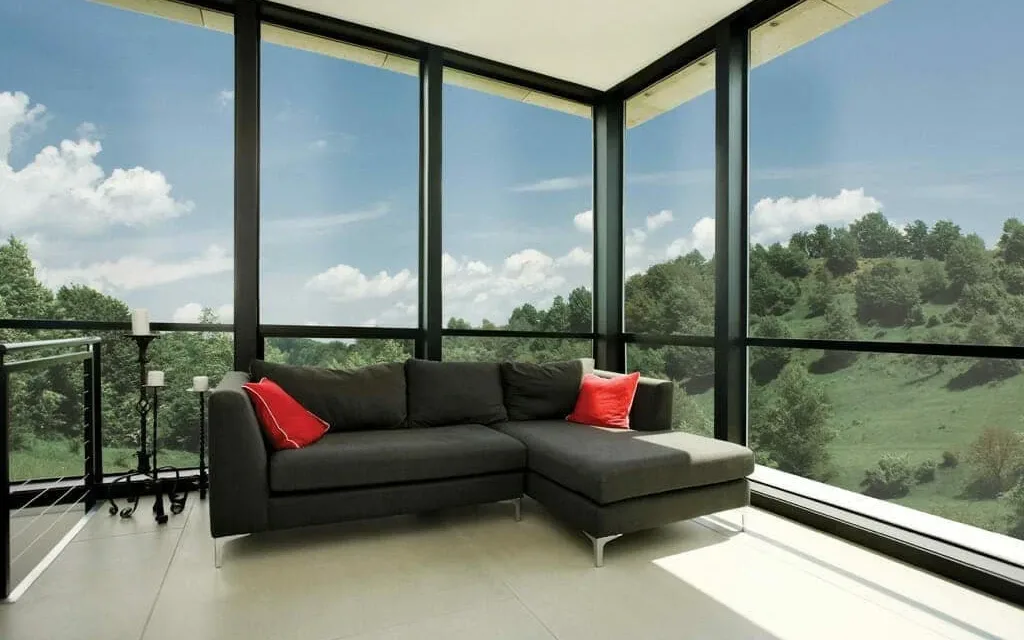
South- and west-facing rooms can become difficult to use during sunny parts of the day. Heat-control film can help reduce discomfort while preserving natural light. Homeowners should think about which rooms are affected, when the heat is worst, and whether the problem is seasonal or year-round.
The SRS Tints page for home window tint film in Vaughan includes heat control, UV protection, glare reduction, and privacy film themes. That range matters because the best film for a hot family room may not be the same choice for a front entry.
Glare Reduction Needs a Visibility Check
Glare can make a room feel unusable even when the temperature is fine. It affects home offices, media rooms, kitchens, and open-concept living spaces with large panes. Before choosing a film, homeowners should note the exact time and angle of the glare so the recommendation fits the room.
It is also important to preserve the view. The goal is usually to reduce harsh light, not make the room feel dim. A consultation should discuss how the film will look from inside and outside during different times of day.
Privacy Film Should Match the Exposure
Privacy needs vary. A bathroom window, street-facing office, front door sidelight, and backyard patio door all need different levels of discretion. Reflective, frosted, or other privacy-oriented films can help, but they should be matched to light direction and nighttime expectations.
Homeowners should ask whether privacy changes after dark when interior lights are on. This is one of the most common practical details to clarify before installation.
Security May Belong in a Separate Layer
If the concern is breakage or forced entry, privacy film alone may not answer the problem. In that case, security window film should be discussed separately because it is designed around glass reinforcement and shatter resistance.
The cleanest buying process is to name the room problem first: heat, glare, privacy, UV exposure, or security. Once that is clear, film selection becomes a practical home-improvement decision instead of a confusing product list.